
10 Signs Your Industrial Air Conditioning System Needs Replacement
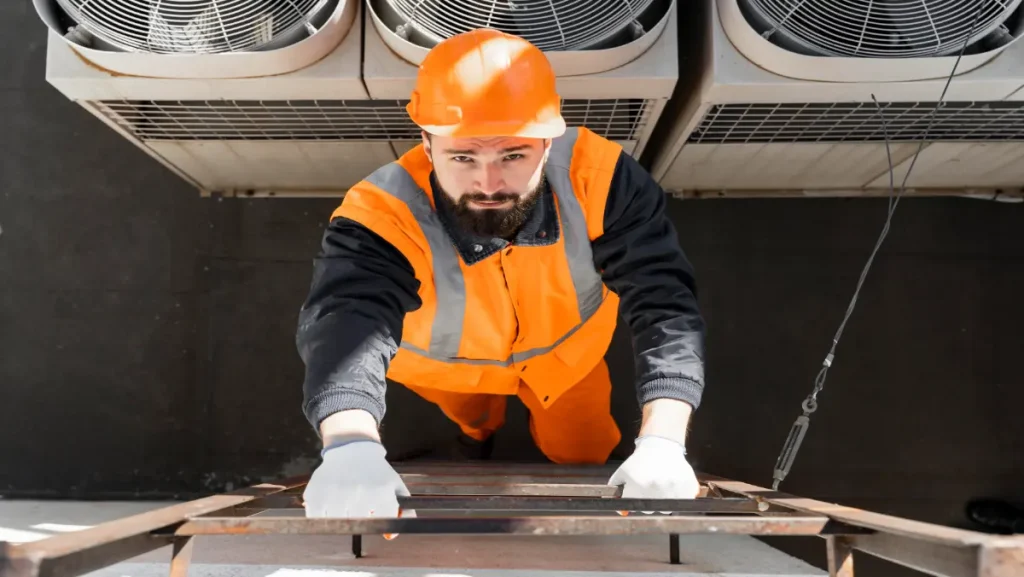
Learn the common warning signs of an ageing industrial air conditioning system and when it’s time to consider a replacement.
Industrial cooling systems keep temperatures stable in production and storage areas. These systems help keep manufacturing and processing running smoothly without interruption.
In time, however, even the best industrial air conditioning system will become less effective. Parts will begin to deteriorate, energy consumption will increase, and the ability to provide cool air will diminish. This situation can have negative implications beyond comfort alone.
In many cases, systems like air cooled screw chiller setups or units using chillers with screw compressors continue running even after their optimal performance stage has passed. This often leads to higher maintenance needs and reduced reliability.
In this blog, we will look at 10 clear signs that your industrial air conditioning system may need replacement.
What is an Industrial Air Conditioning System?
An industrial air conditioning system controls temperature, humidity, and air quality in large factories. These systems help maintain stable conditions required for smooth operations and product quality.
They are commonly used in factories, warehouses, and industries where temperature needs to be carefully managed.
In many setups, these systems work using technologies such as chillers with screw compressors, which help manage high cooling loads efficiently and maintain consistent performance over time.
Why Industrial Cooling Systems Lose Efficiency Over Time
Even well-made systems slowly lose their performance over time as they are used and operational needs change.
- Continuous operation load
Industrial systems often run for long hours, which naturally leads to wear and reduced efficiency over time.
- Component aging
The effectiveness of components such as compressors, coils, and motors declines over time, thus lowering overall cooling efficiency.
Insufficient maintenance
- Lack of regular maintenance
Over time, insufficient maintenance leads to the accumulation of dust, leaks, and minor issues that reduce system efficiency.
- Changing production requirements
As production increases, the demand for cooling will increase; therefore, the cooling system may not meet production demands.
- Energy inefficiency over time
Older systems typically consume more power compared to modern designs like an air cooled screw chiller, leading to higher operational costs.
10 Signs Your Industrial Air Conditioning System Needs Replacement
1. Frequent breakdowns
If you experience constant failures in your industrial air conditioning system, it is an evident indication that the parts within it have worn out. Constant maintenance will not only affect productivity but also decrease efficiency.
2. Rising energy bills
An abrupt or gradual increase in energy consumption without a corresponding change in the amount of work being done indicates that the system is becoming inefficient and doing more work than necessary for cooling.
3. Poor cooling performance
When the system fails to maintain the required temperature, even after servicing, it shows that the cooling capacity has reduced and the system is no longer performing effectively.
4. Uneven cooling across areas
Uneven temperatures within the facility show that there is something wrong with air circulation or decreasing efficiency of the system.
5. Excessive noise or vibration
Unusual noise or vibration often signals mechanical issues inside systems like an air cooled screw chiller, which may indicate serious internal wear.
6. Frequent refrigerant issues
Repeated leakage or refrigerant level imbalance affects cooling stability and indicates system ageing or internal damage.
7. Outdated system technology
Older systems may not match current efficiency standards. Even when working, they consume more energy than modern solutions.
8. High maintenance cost
If repair costs are increasing frequently, it becomes more economical to consider replacement rather than continuous servicing.
9. Slow cooling response
When the system takes longer than usual to reach the desired temperature, it shows reduced efficiency and ageing components.
10. System beyond expected lifespan
Every industrial air conditioning system has a lifecycle. Once it exceeds its operational lifespan, performance naturally declines even with proper maintenance.
Risks of Continuing with an Old System
Running an ageing industrial air conditioning system beyond its efficient life can lead to several operational challenges that directly impact performance and cost.
- Higher operating costs
Older systems use more energy to cool the same amount of space, which raises electricity costs.
- Unplanned downtime
Frequent failures can interrupt operations, affecting production schedules and overall efficiency.
- Reduced cooling reliability
As systems age, they struggle to maintain stable temperatures, which can impact product quality in sensitive industries.
- Increased maintenance dependency
Constant repairs and part replacements become common, making the system less cost-effective to operate.
When Replacement Becomes the Better Choice
At a certain point, repairing an old system is no longer practical, and replacement becomes the more efficient option.
- Frequent repair cycles
If breakdowns and servicing are happening too often, it indicates that the system has reached its performance limit.
- Rising maintenance expenses
When repair costs start approaching replacement value, upgrading becomes more economical.
- Poor efficiency even after servicing
If the system still underperforms after maintenance, its core components may be worn out.
- Outdated technology and design
Older systems, like some air cooled screw chiller setups, may not match current energy efficiency standards or operational demands.
Making the Right Decision for Long-Term Cooling Performance
An industrial air conditioning system helps keep operations stable and efficient. However, when performance begins to decline, ignoring early warning signs can lead to higher costs, lower productivity, and frequent disruptions.
Recognising these signs early helps industries prevent breakdowns and schedule upgrades on time. Modern systems are built to use energy more efficiently, better control cooling, and last longer than older systems.
In many industrial applications, systems such as air cooled screw chiller solutions are preferred for their efficiency and improved operational stability. Choosing the right replacement system makes performance easier and saves money over time.
Refcon Chillers, known for their expertise in cooling solutions, provide systems built around technologies such as chillers with screw compressors, designed to meet evolving industrial requirements.
Upgrading at the right time helps keep things running smoothly, reduces risks, and improves industrial performance.
Frequently Asked Question
Common signs include frequent breakdowns, rising energy bills, poor or uneven cooling, unusual noise, frequent refrigerant leaks, and high maintenance costs. If your system needs frequent repairs or is beyond its expected lifespan, replacement is usually more cost-effective than continued repairs.
Industrial air conditioning systems typically last 10 -15 years, depending on usage intensity, maintenance quality, and operating conditions. Systems running continuously in demanding environments may need replacement sooner, while well-maintained systems can sometimes exceed this range.
If repair costs are approaching the cost of a new system, or your system needs frequent servicing without improved performance, replacement is usually the more economical choice. Continuing to repair an ageing system often leads to higher long-term costs and unplanned downtime.
Many modern industrial air conditioning systems use technologies such as air-cooled screw chillers, which help manage high cooling loads efficiently while improving long-term reliability and energy performance.
Efficiency declines due to continuous operation load, component ageing, insufficient maintenance, changing production demands, and outdated technology that consumes more energy than modern systems.
Warning: Trying to access array offset on null in D:\INETPUB\VHOSTS\refconchillers.com\httpdocs\blog\wp-content\themes\metalsun\includes\content-single.php on line 259

Related posts


Our Mission
Our Mission is to identify and meet the customer demand for Refrigeration (Process Cooling) and Air Conditioning, Requirements with the standard of Excellence
Our Outlook
Our Outlook is to be rated among best players in the field for our ability to offer innovative & customized technical solutions