
Top Industries That Use Screw Chillers for Process Cooling
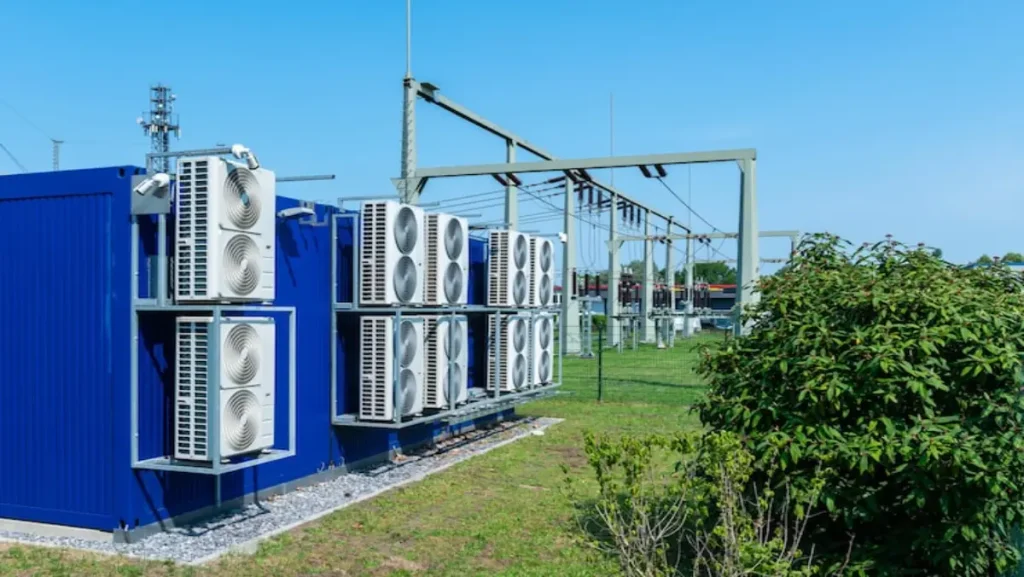
Screw chillers play a vital role in maintaining production stability across multiple industries. This guide explores their key applications and the reasons behind their widespread adoption.
Many industrial processes create heat. If that heat is not controlled, it can compromise product quality, slow production, and place additional stress on equipment. Even small temperature changes can lead to defects, waste, and higher operating costs.
This is why process cooling is important in modern manufacturing. Industries need reliable cooling to keep machines running, maintain product standards, and support smooth production throughout the day.
Among the many cooling technologies available, screw chillers are widely used for demanding industrial applications. They offer high cooling capacity, stable performance, and dependable operation, making them suitable for a wide range of process-cooling requirements across industries.
Why Process Cooling Matters Across Modern Industries
Modern manufacturing environments rely on precise temperature control to maintain production stability and consistent output quality. Effective cooling also protects equipment from overheating while improving overall energy efficiency.
Key benefits of process cooling include:
- Improved product quality
- Better machine performance
- Reduced production downtime
- Enhanced energy utilisation
- Greater operational reliability
As production volumes continue to increase, cooling requirements become more critical across industries. Reliable process cooling solutions help businesses maintain operational continuity while meeting performance targets.
- Pharmaceutical Manufacturing Industry
Pharmaceutical production requires strict temperature control throughout manufacturing and packaging processes. Regulatory compliance and batch consistency depend heavily on maintaining controlled operating conditions.
Key Cooling Requirements
- Reactor temperature control
- Cleanroom environmental management
- Drug formulation cooling
- Stability testing support
- Packaging area temperature control
Many pharmaceutical facilities deploy industrial cooling systems to maintain precise environmental conditions throughout production. Consistent cooling helps manufacturers meet quality standards while reducing the risk of product variation.
- Chemical Processing Industry
Chemical manufacturing often involves exothermic reactions that generate significant amounts of heat during production. Temperature fluctuations can impact reaction rates, product quality, and plant safety.
Common Cooling Applications
- Reactor cooling
- Solvent condensation
- Heat exchanger support
- Process fluid temperature control
- Storage tank cooling
Large-scale chemical plants frequently utilise chillers with screw compressors because of their ability to handle continuous industrial loads. Their stable cooling performance helps maintain process efficiency while supporting safe plant operations.
- Plastic and Injection Moulding Industry
Injection moulding operations require rapid and consistent mould cooling to achieve high production efficiency. Cooling performance directly influences cycle times, dimensional accuracy, and finished product quality.
How Cooling Affects Production Efficiency
- Faster mould cooling reduces cycle times
- Stable temperatures improve product consistency
- Efficient cooling lowers defect rates
- Better heat removal increases productivity
Many manufacturers choose an air cooled screw chiller where water availability is limited or installation flexibility is important. Reliable cooling enables moulding facilities to maintain production targets while improving product quality.
- Food and Beverage Processing Industry
Food processing operations depend on controlled temperatures to preserve product quality and maintain hygiene standards. Cooling is required throughout production, packaging, storage, and distribution stages.
Areas Where Cooling Is Essential
- Dairy processing
- Beverage production
- Brewing operations
- Food packaging
- Cold storage support
Many facilities integrate an air cooling system into their overall production infrastructure to manage heat generated during processing. Consistent temperature control helps extend shelf life while supporting food safety requirements.
- Printing and Packaging Industry
Printing equipment generates heat during continuous production cycles, particularly in high-speed operations. Excessive temperatures can affect ink performance, print quality, and machine reliability.
Process Benefits
- Stable ink viscosity
- Better print consistency
- Reduced machine wear
- Improved production uptime
Modern printing plants often install a chiller for manufacturing industry applications to ensure uninterrupted production. Effective cooling contributes to better product quality and lower operational disruptions.
- Automotive Manufacturing Industry
Automotive production facilities operate a wide range of equipment that requires controlled cooling for precision manufacturing. Temperature stability is essential for maintaining product accuracy and operational efficiency.
Typical Applications
- Welding equipment cooling
- CNC machine cooling
- Battery testing facilities
- Paint shop temperature control
- Component testing operations
Large automotive facilities frequently depend on industrial air conditioning system infrastructure to support manufacturing environments. Proper cooling helps maintain precision while protecting expensive production equipment.
7. Data Centres and Electronics Manufacturing
Electronic equipment generates significant heat that must be removed continuously to prevent performance degradation. Cooling reliability directly impacts uptime, equipment lifespan, and operational stability.
Critical Cooling Areas
- Server rooms
- Semiconductor production
- PCB manufacturing
- Testing laboratories
- Control rooms
Many facilities select industrial cooling systems capable of delivering consistent performance under varying load conditions. Reliable heat management helps protect sensitive equipment while ensuring uninterrupted operations.
Why Screw Chillers Are Preferred for Industrial Process Cooling
Industrial facilities often require cooling systems capable of operating continuously under demanding conditions. This is where screw chillers offer significant advantages over many conventional cooling technologies.
- High Cooling Capacity
Screw compressors are designed to handle large cooling loads efficiently. They are commonly used in chemical plants, pharmaceutical facilities, and large manufacturing units.
- Continuous Operation
Industrial processes frequently run around the clock. Chillers with screw compressors are known for maintaining stable performance during extended operating periods.
- Energy Efficiency
Modern systems incorporate advanced controls, capacity modulation, and optimised compressor operation. These features help reduce energy consumption across varying production loads.
- Long Service Life
Robust compressor construction and fewer moving components contribute to long operational life. Proper maintenance further enhances system reliability.
- Scalability
An air cooled screw chiller can be configured to meet changing process requirements as production expands. This flexibility makes screw technology suitable for both existing facilities and future growth.
For industries with high cooling demands, these advantages often translate into improved productivity and lower lifecycle costs. Their ability to maintain stable temperatures makes them an important component of modern process cooling solutions.
Screw Chillers vs Other Industrial Cooling Technologies
Selecting the right cooling technology depends on capacity requirements, operating conditions, and long-term business objectives. Understanding the differences helps industrial buyers make informed decisions.
| Parameter | Screw Chillers | Scroll Chillers | Other Cooling Technologies |
| Cooling Capacity | High | Low to Medium | Varies |
| Energy Efficiency | Excellent at large loads | Good at smaller loads | Moderate |
| Maintenance | Moderate | Lower | Varies |
| Industrial Suitability | Heavy-duty applications | Light to medium applications | Application dependent |
| Operational Reliability | Very High | High | Varies |
| Long-Term Value | Strong for large facilities | Suitable for smaller plants | Depends on technology |
A chiller with scroll compressors can be an excellent choice for smaller commercial and light industrial applications where cooling loads are relatively modest. These systems are often preferred for facilities that require reliable cooling performance without the capacity demands of larger screw-based units.
As cooling requirements increase, screw chillers generally provide better performance, capacity control, and long-term operational benefits. The choice ultimately depends on process demands, facility size, and future expansion plans.
The Future of Reliable Industrial Process Cooling
Industries such as pharmaceuticals, chemicals, plastics, food processing, automotive manufacturing, electronics, and data centres all depend on reliable cooling to maintain product quality and operational efficiency. Selecting the right cooling technology is essential for achieving stable production, equipment protection, and long-term cost-effectiveness.
Established in 1999, Refcon Chillers has built expertise in industrial refrigeration, customised chilling systems, and process cooling applications across diverse industries. The company manufactures air-cooled, water-cooled, Freon-based, and ammonia-based screw chillers with capacities designed for demanding industrial environments and temperatures up to (-) 40°C.
Businesses evaluating cooling infrastructure should focus on matching system capabilities with actual process requirements. Explore their advanced screw chiller solutions to identify the right cooling system for your manufacturing and process cooling needs.
Warning: Trying to access array offset on null in D:\INETPUB\VHOSTS\refconchillers.com\httpdocs\blog\wp-content\themes\metalsun\includes\content-single.php on line 259

Related posts



Our Mission
Our Mission is to identify and meet the customer demand for Refrigeration (Process Cooling) and Air Conditioning, Requirements with the standard of Excellence
Our Outlook
Our Outlook is to be rated among best players in the field for our ability to offer innovative & customized technical solutions