
Why Ammonia Chillers Are Widely Used in Industrial Refrigeration
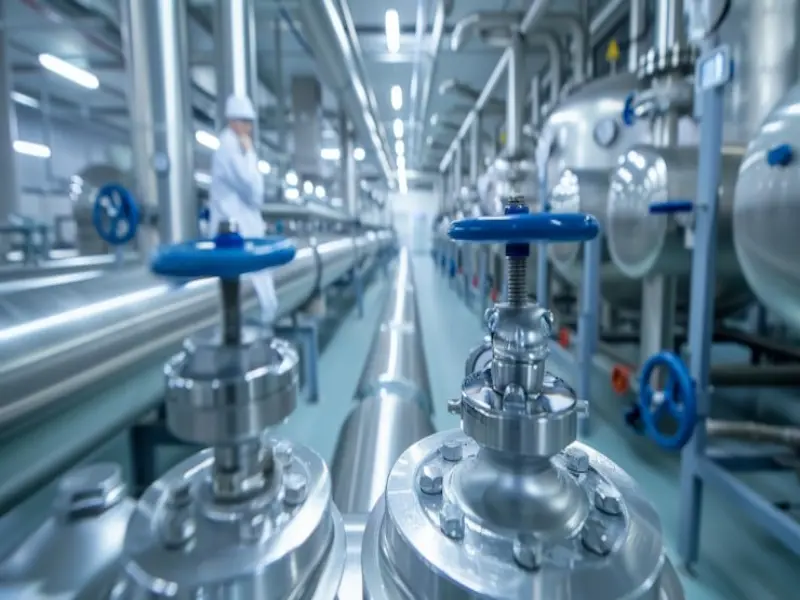
Industrial facilities need reliable cooling to keep production running without interruption. Many industries handle products and processes that require precise temperature control every day. A dependable refrigeration system helps improve product quality, equipment performance, and energy efficiency.
An ammonia chiller is one of the most trusted solutions for large-scale industrial refrigeration because it delivers strong cooling performance while keeping operating costs under control Ammonia industrial refrigeration is widely used in sectors such as food processing, cold storage, dairy, pharmaceuticals, and chemical manufacturing due to its high cooling efficiency.
Choosing the right refrigeration system depends on cooling demand, plant size, and long-term operating goals. This blog explains why ammonia chillers continue to be a preferred choice across different industries.
What Is an Ammonia Chiller?
An ammonia chiller is a refrigeration system that uses ammonia as the refrigerant to remove heat from water or process fluids. The cooled fluid is then circulated through equipment or production areas to maintain the required temperature.
The system works through a standard refrigeration cycle that includes:
- Compression of refrigerant
- Heat rejection through the condenser
- Pressure reduction through the expansion valve
- Heat absorption in the evaporator
This cycle repeats continuously to provide stable cooling.
An ammonia chiller plant is commonly designed for large industrial operations where cooling is required throughout the day.
Because ammonia has excellent heat transfer properties, it delivers effective cooling while using less refrigerant compared to many alternatives.
Why Ammonia Is a Preferred Refrigerant
Several refrigerants are available today, but ammonia continues to remain a popular option for industrial applications.
Here are some of the reasons:
- High cooling efficiency
- Excellent heat transfer capability
- Lower energy consumption
- Suitable for continuous operation
- Long service life when maintained properly
Ammonia industrial refrigeration also offers better performance in facilities with high cooling demand, making it suitable for heavy-duty industrial environments.
Its efficiency allows industries to reduce operating costs over the long term without compromising cooling performance.
Where Ammonia Chillers Are Commonly Used
Many industries require reliable refrigeration systems to protect products and maintain production quality.
Common applications include:
- Cold storage warehouses
- Food processing plants
- Dairy processing units
- Beverage manufacturing
- Ice plants
- Pharmaceutical manufacturing
- Chemical processing facilities
- Meat and seafood processing plants
An ammonia chiller plant can be customised according to the cooling requirement of each facility.
Large processing plants often operate around the clock. Reliable refrigeration becomes essential to avoid production delays and product spoilage.
How Screw Compressors Improve Performance
Industrial refrigeration systems often use screw compressors because they provide stable performance under continuous operation.
- Screw chiller
A screw chiller is designed to handle high cooling loads and maintain consistent temperatures even during demanding industrial processes.
- Chillers with screw compressors
Chillers with screw compressors offer better capacity control and smooth operation, making them suitable for large refrigeration systems.
Some key benefits include:
- Continuous cooling performance
- Better efficiency during varying load conditions
- Low vibration
- Reliable long-term operation
- Reduced wear due to fewer moving parts
Because of these advantages, many ammonia refrigeration systems use screw compressor technology.
Comparing Ammonia Chillers with Other Industrial Cooling Systems
The following comparison highlights why ammonia systems are widely selected for industrial refrigeration.
| Feature | Ammonia Chiller | Conventional Industrial Chiller |
| Cooling efficiency | High | Moderate to High |
| Energy consumption | Lower for large facilities | Depends on refrigerant |
| Large cooling capacity | Excellent | Moderate |
| Continuous operation | Highly suitable | Suitable for many applications |
| Industrial refrigeration use | Widely preferred | Varies by industry |
An ammonia chiller performs especially well in facilities where refrigeration demand remains high throughout the day.
For industries operating large production lines, the long-term efficiency often offsets the initial investment.
Benefits That Support Industrial Operations
Businesses choose ammonia systems because they offer practical advantages beyond cooling performance.
Some important benefits include:
- Stable temperature control
- High operational efficiency
- Reduced energy costs
- Reliable performance for continuous production
- Suitable for large industrial plants
- Long equipment life with proper maintenance
Ammonia chiller plant
An ammonia chiller plant is also flexible enough to support future expansion when production capacity increases.
This makes it a practical investment for growing industries.
Choosing The Right Ammonia Chiller Manufacturer
Selecting the right supplier is as important as selecting the refrigeration system itself.
An experienced ammonia chiller manufacturer understands industrial cooling requirements and provides systems designed for specific operating conditions.
When evaluating a manufacturer, consider:
- Industry experience
- Custom design capability
- Quality of components
- Technical support
- Service availability
- Energy-efficient system design
Ammonia chiller manufacturer
A reliable ammonia chiller manufacturer also helps ensure proper installation and ongoing maintenance support, improving the overall life of the equipment.
This contributes to consistent performance throughout the system’s operating life.
Points To Consider Before Installation
Before installing an ammonia refrigeration system, industries should evaluate several important factors.
These include:
- Required cooling capacity
- Type of production process
- Available installation space
- Future expansion plans
- Safety standards
- Maintenance requirements
Chillers with screw compressors
Many chillers with screw compressors are selected because they provide dependable performance under changing industrial loads.
Screw chiller
A screw chiller also offers better reliability in facilities where equipment operates continuously for long production cycles.
Proper planning helps businesses achieve better efficiency and lower operating costs over time.
Building Reliable Cooling for Industrial Growth
Ammonia continues to be one of the most effective refrigerants for large industrial applications. An ammonia chiller provides efficient cooling, dependable operation, and long-term energy savings for facilities with high refrigeration demand. An ammonia chiller plant supports continuous production while maintaining stable temperatures across different industrial processes. Combined with chillers with screw compressors, these systems deliver reliable performance even under demanding operating conditions.
RefCon Chillers is an experienced ammonia chiller manufacturer that provides industrial refrigeration solutions for a wide range of industries. They design and manufacture systems that support efficient ammonia industrial refrigeration, helping businesses achieve dependable cooling performance while meeting their operational requirements
FAQ
Ammonia acts as the refrigerant that absorbs heat and cools water or process fluids. It circulates through the system in a continuous cycle, helping maintain steady temperatures in cold storage, food processing, and pharmaceutical plants.
Ammonia cools efficiently, transfers heat well, and uses less energy than many alternatives. It handles continuous, heavy-duty operation reliably and lasts long when properly maintained making it a smart choice for large industrial plants.
Ammonia is toxic and mildly flammable, so systems need proper ventilation and leak detection. It also can’t be used with copper parts, which adds some extra planning during installation.
Ammonia is energy-efficient, keeps temperatures stable, and works well for continuous production. It’s also ozone-friendly and, with regular maintenance, offers a long working life making it cost-effective in the long run.
Warning: Trying to access array offset on null in D:\INETPUB\VHOSTS\refconchillers.com\httpdocs\blog\wp-content\themes\metalsun\includes\content-single.php on line 259

Related posts


Our Mission
Our Mission is to identify and meet the customer demand for Refrigeration (Process Cooling) and Air Conditioning, Requirements with the standard of Excellence
Our Outlook
Our Outlook is to be rated among best players in the field for our ability to offer innovative & customized technical solutions