
Industrial Dehumidifier for Food Industry: Uses & Benefits Guide
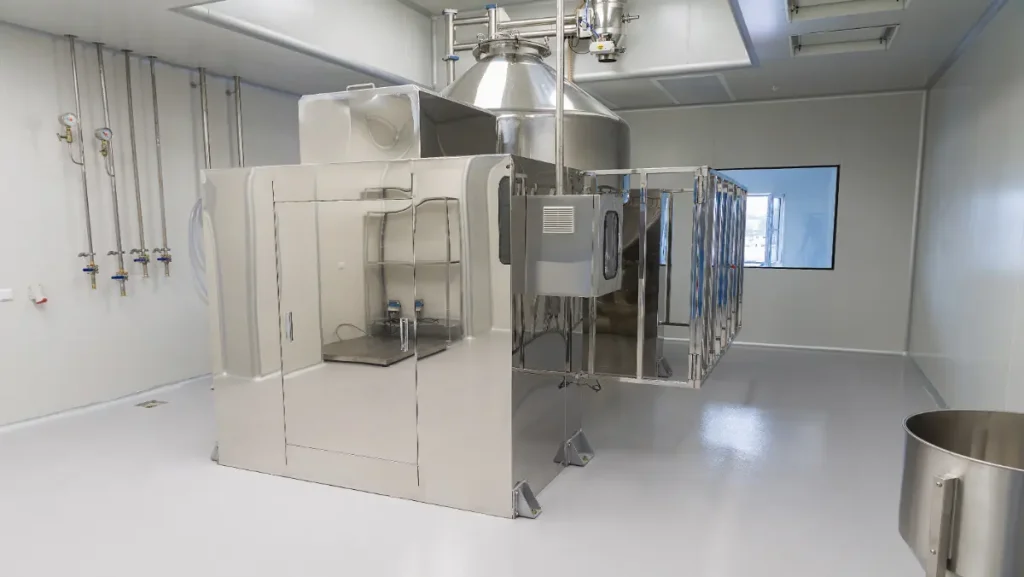
A simple guide to using industrial dehumidifiers in the food processing industry and how they keep conditions stable and clean.
Food processing environments deal with more than just temperature control. One often-overlooked factor is humidity, which can quietly affect product quality at every stage.
When moisture levels in the air rise, several problems begin to show:
- Food products can lose their intended texture
- Shelf life may reduce faster than expected
- The risk of mold and bacterial growth increases
These issues are not always immediate, but they build over time and impact both quality and safety.
This is where an industrial dehumidifier plays an important role. It helps control excess moisture in the air, creating a more stable and hygienic environment for processing, packaging, and storage.
Managing humidity is not just a technical requirement; it is a key part of maintaining consistency and reducing losses in the food industry.
Why Humidity is a Serious Problem in Food Processing
Humidity may not always be visible, but its impact is seen across multiple stages of food processing.
- Increases Risk of Contamination
The presence of moisture makes it easier for bacteria and fungi to grow. The consequence of this problem is that the food is more likely to become contaminated.
- Affects Texture and Product Quality
There are several foods that tend to be moisture-sensitive. High levels of humidity affect the texture of dry foods by making them soft, forming lumps in powder form, and reduce the crispness of packaged foods. This makes the end product inconsistent.
- Causes Condensation on Equipment
Humid air tends to form condensation when it contacts cool surfaces. Water droplets form inside the machinery, on the walls, and even on the ceiling.
- Reduces Shelf Life
High humidity speeds up the spoilage process. Products may lose quality during storage or transportation, leading to a shorter shelf life and increased waste.
- Impacts Different Processing Areas
Humidity problems often occur in places like dairy processing, meat handling, packaging areas, and cold storage. Each of these environments requires controlled moisture levels to maintain quality and safety.
What is an Industrial Dehumidifier?
An industrial dehumidifier is a system designed to control and reduce moisture levels in large spaces such as food processing units, storage areas, and manufacturing facilities.
Unlike small homes, these systems are designed for continuous use and higher humidity levels typical in industrial settings.
How it works (in simple terms):
- It pulls in humid air from the surroundings
- Removes excess moisture from the air
- Releases dry, controlled air back into the space
This cycle helps maintain stable humidity levels across the facility.
Why industrial systems are different
An industrial dehumidifier is specifically designed for performance and reliability:
- Handles large areas and high humidity levels
- Works continuously without a performance drop
- Supports hygiene and process requirements
- Can be integrated with existing cooling systems
Key Benefits of Using Industrial Dehumidifiers in Food Industry
Using an industrial dehumidifier is not just about controlling moisture; it directly improves product quality, safety, and overall efficiency in food processing. Here’s how it makes a real difference:
- Better Product Quality
Maintaining optimal humidity levels ensures that the initial quality of food products is not compromised. Whether in powder form or in packaged foods, maintaining proper moisture levels ensures consistency across all batches.
- Prevents Mold and Bacterial Growth
Excessive moisture makes the environment highly favourable for microorganisms. Controlling humidity levels ensures protection against fungi and bacterial growth.
- Improves Shelf Life
Goods kept or processed in humidity-controlled conditions usually have a higher longevity. This way, they are less likely to spoil during transport or storage, thus reducing waste.
- Protects Equipment and Infrastructure
Excessive humidity may cause condensation, which can adversely affect the equipment. Adequate dehumidification will ensure that there is no condensation and, hence, prevent equipment breakdown.
- Maintains Hygiene Standards
Dry and controlled environments are easier to manage and clean. This supports better hygiene practices across processing and packaging areas.
- Supports Consistent Production
Fluctuating humidity can affect processes and output quality. With proper control, operations become more stable, leading to fewer disruptions and rejections.
Where Dehumidifiers Are Used in Food Processing Plants
Dehumidification is not limited to one area. It is used across multiple zones in a food processing facility, wherever moisture control is important.
- Processing Areas
This area is highly vulnerable to moisture, as it involves direct handling of the food item. Humidity control in this zone ensures hygiene and cleanliness in the production process.
- Packaging Sections
In packaging areas, excess moisture can affect sealing quality and packaging materials. Dry air ensures proper sealing and helps maintain product integrity.
- Cold Storage Rooms
Cold conditions usually result in condensation due to the temperature difference. The dehumidifier regulates humidity levels, which avoids the formation of ice and water.
- Drying and Mixing Zones
In places where powder or dry materials are handled, high humidity can lead to lumps and poor mixing.
- Storage and Warehousing
Finished goods stored in humid conditions may lose quality over time. Dehumidification helps maintain stable storage conditions and protects products until distribution.
Types of Dehumidification Systems Used in Industry
Different industries use different types of dehumidification systems based on their requirements. In food processing, the choice depends on temperature conditions, moisture levels, and application areas.
- Refrigerant-Based Dehumidifiers
These systems work by cooling the air to remove moisture. When humid air passes through the system, moisture condenses into water and is removed.
They are commonly used in:
- Moderate temperature environments
- General processing and storage areas
They are energy-efficient and suitable for spaces where extremely low humidity is not required.
- Desiccant Dehumidifiers
These systems use moisture-absorbing materials to remove humidity from the air. Instead of cooling, they capture moisture directly.
They are ideal for:
- Low-temperature environments, like cold storage
- Areas requiring very low humidity levels
Desiccant systems are more effective in challenging conditions where refrigerant systems may not perform as well.
Choosing the Right Industrial Dehumidifier
Selecting the right system is important to ensure consistent performance and long-term efficiency. Instead of a one-size-fits-all approach, the choice should be based on the plant’s actual requirements. Key factors to consider:
- Facility Size
The dehumidifier should match the size of the space and the moisture load. Undersized systems may not control humidity effectively.
- Type of Food Product
Various products have different moisture responses. Dry foods, powders, and packaged products generally have more strict moisture requirements.
- Required Humidity Levels
Each process has its own humidity range. The system should be able to maintain stable levels without frequent fluctuations.
- Energy Efficiency
Since dehumidifiers run for long hours, energy-efficient systems help reduce operational costs over time.
- Maintenance and Reliability
A system that is easy to maintain and built for continuous operation ensures fewer breakdowns and smoother processes.
Working with experienced industrial dehumidifier manufacturers in India helps select systems designed specifically for industrial applications and long-term use.
Common Mistakes to Avoid While Using Dehumidifiers
Even after installing an industrial dehumidifier, common mistakes can lessen its effectiveness and overall performance.
- Using Residential Systems in Industrial Spaces
Small or residential units are not designed for large-scale operations. They fail to handle high moisture loads, resulting in poor performance and frequent issues.
- Ignoring Humidity Monitoring
Setting up a system is not enough. Without consistent monitoring, fluctuations in humidity could occur, thereby reducing product quality.
- Incorrect System Sizing
A small-sized system might fail to eliminate the required moisture, whereas an excessively large system will only use more energy.
- Lack of Regular Maintenance
Over time, dust, wear, and operational load can reduce system efficiency. Regular maintenance ensures consistent performance and longer equipment life.
Ensuring Consistent Quality with the Right Humidity Control
Maintaining the right humidity levels is essential for smooth and efficient food processing. From protecting product quality to improving shelf life and hygiene, proper moisture control plays a key role at every stage.
An industrial dehumidifier helps create a stable environment in which food products can be processed, packaged, and stored without the risks posed by excess moisture. It supports consistency, reduces wastage, and ensures that operations run without unnecessary disruptions.
Choosing the right system and maintaining it properly can make a significant difference in long-term performance and cost efficiency. This is where working with experienced solution providers becomes important.
Companies like Refcon Chillers, known among reliable screw chiller manufacturers in India, also offer advanced dehumidification solutions designed for industrial applications. With a focus on customised systems and integrated cooling approaches, they help food processing units maintain controlled environments tailored to their specific needs.
In an industry where even small environmental changes can affect output, investing in the right dehumidification system is a practical step toward maintaining quality, safety, and efficiency.
Warning: Trying to access array offset on null in D:\INETPUB\VHOSTS\refconchillers.com\httpdocs\blog\wp-content\themes\metalsun\includes\content-single.php on line 259

Related posts


Our Mission
Our Mission is to identify and meet the customer demand for Refrigeration (Process Cooling) and Air Conditioning, Requirements with the standard of Excellence
Our Outlook
Our Outlook is to be rated among best players in the field for our ability to offer innovative & customized technical solutions