
Scroll Chiller Vs Screw Chiller: Which Industrial Cooling System Is Better?
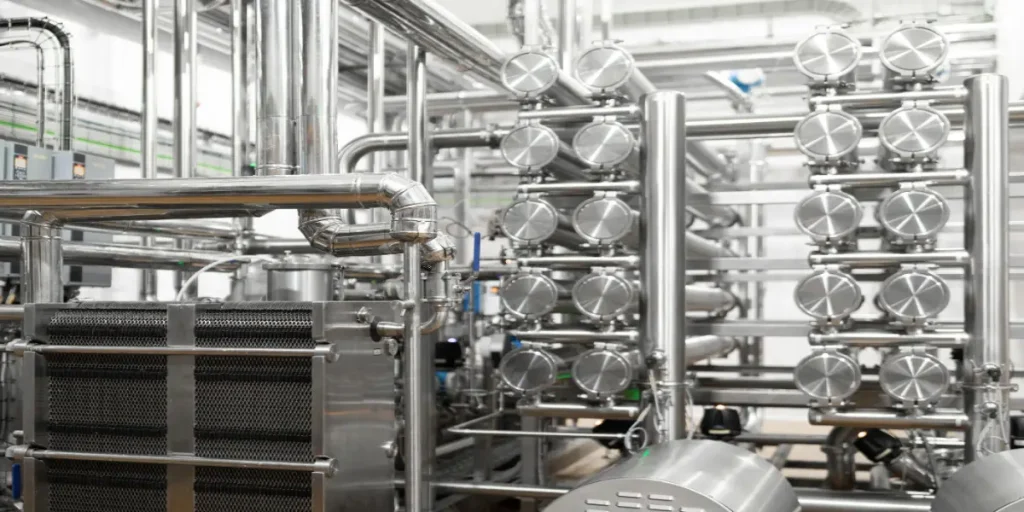
Industrial units need cooling to keep machines stable and processes smooth. Heat builds up quickly in plants. If not controlled, it affects output and equipment life. This is where an industrial cooling system becomes important. It helps remove extra heat and keeps operations steady throughout the day.
Two common options used in industries are scroll chiller and screw chiller. Both are designed for cooling, but they work best in different conditions. A scroll chiller is usually used for smaller to medium cooling needs. It works with scroll compressors that are simple and efficient for limited loads. On the other hand, a screw chiller is built for heavy-duty cooling. It handles continuous operation and large heat loads without stress.
Choosing between them depends on plant size, heat generation, and long-term usage needs. This blog breaks down both systems in a simple way so you can understand which one suits your setup better.
How Scroll Chiller Works in Real Conditions
A scroll chiller uses two spiral-shaped scrolls to compress refrigerant. One scroll stays fixed while the other moves. This creates cooling in a steady and smooth manner.
It is widely used in small factories, offices, and light manufacturing setups.
Key points about a scroll chiller:
- Works best for low to medium cooling demand
- Simple design with fewer moving parts
- Low maintenance needs
- Quiet operation in most setups
- Suitable for stable but smaller loads
A scroll chiller is preferred when cooling demand does not change much during the day. It gives consistent performance without complex controls. However, it is not designed for heavy industrial heat. When the load increases, performance can become limited.
For industries with small machines or moderate production lines, it works well as a cost-friendly option.
How Screw Chiller Handles Heavy Loads
A screw chiller works with a screw compressor. This compressor uses two rotating screws to compress refrigerant gas. It is designed for continuous and heavy cooling work. This system is widely used in large plants where heat generation is high and constant. A screw chiller for large cooling loads is known for its strong performance in demanding environments.
Key points:
- Handles high cooling capacity
- Works continuously without performance drop
- Suitable for large production units
- Better control over temperature variation
- Long operational life in tough conditions
Because of its design, a screw chiller can manage fluctuating heat loads better than smaller systems. It is commonly used in industries like plastics, chemicals, pharma, and food processing. These sectors need stable cooling throughout the day. This makes it a strong option for plants that cannot afford downtime or temperature imbalance.
Key Differences in Practical Use
When comparing both systems, the difference is not just technical. It is about usage needs.
A scroll chiller is ideal when:
- Cooling load is small
- Operation is not continuous
- Budget is limited
- Space is compact
A screw chiller is better when:
- Cooling demand is high
- Machines run for long hours
- Heat load changes frequently
- System needs strong reliability
In simple terms, the scale of operation decides the choice. If the plant is growing or already large, a screw chiller for large cooling loads becomes more suitable. For smaller units, a scroll chiller keeps things simple and efficient.
Efficiency And Maintenance Comparison
Efficiency matters in long-term industrial planning. Both systems perform well in their own range.
A scroll chiller usually has fewer parts, which means:
- Easy servicing
- Lower maintenance cost
- Less technical support required
But it may struggle under heavy load conditions.
A screw chiller is more advanced in handling pressure and load changes. It offers:
- Better energy control in large systems
- Stable performance under continuous use
- Longer lifespan in industrial environments
Maintenance is slightly more complex, but it is designed for industrial scale operations.
This is why many plants prefer it as their main industrial cooling system.
Which One Fits Modern Manufacturing Plants
Modern industries focus on productivity and energy balance. Cooling plays a big role in that.
For small setups, a scroll chiller is often enough. It keeps machines cool without overcomplicating the system. But for large manufacturing plants, a screw chiller for large cooling loads becomes the practical choice. It supports continuous production and avoids downtime. This is why many engineers consider it the best industrial cooling system for manufacturing when operations scale up.
The final decision depends on:
- Size of plant
- Type of machinery
- Heat load pattern
- Long-term expansion plans
There is no single best answer for all industries. The right system is the one that matches actual working conditions.
Choosing The Right Cooling System for Long-Term Use
Selecting between both systems should not be rushed. It should be based on real demand, not just initial cost.
A scroll chiller works well for controlled environments with limited heat load. It is simple and easy to manage. A screw chiller is built for tough industrial conditions where cooling demand is high and constant. For growing industries, planning is important. Many units start small and later shift to higher capacity systems.
In such cases, choosing a strong industrial cooling system from the start can reduce future upgrades and cost changes. Understanding load requirements clearly helps in making the right decision without confusion.
Cooling Choice That Supports Smarter Operations
Both systems solve different problems. One is not a replacement for the other. A scroll chiller supports small-scale operations with steady needs. A screw chiller supports heavy industries with continuous demand. For manufacturing setups, a screw chiller for large cooling loads often becomes the more reliable option due to its strength and stability.
Refcon Chillers focuses on such industrial cooling solutions. They design systems that match different plant sizes and operational needs, helping industries choose cooling setups that support long-term performance.
Warning: Trying to access array offset on null in D:\INETPUB\VHOSTS\refconchillers.com\httpdocs\blog\wp-content\themes\metalsun\includes\content-single.php on line 259

Related posts




Our Mission
Our Mission is to identify and meet the customer demand for Refrigeration (Process Cooling) and Air Conditioning, Requirements with the standard of Excellence
Our Outlook
Our Outlook is to be rated among best players in the field for our ability to offer innovative & customized technical solutions