
Water Cooled Chillers in India – Types, Uses & Buying Guide
Learn about different types of water cooled chillers, their applications, and how to choose the right system for your industrial needs.
Many industries rely on proper cooling to keep their processes stable and efficient. Without it, product quality can drop, and operations may face frequent issues.
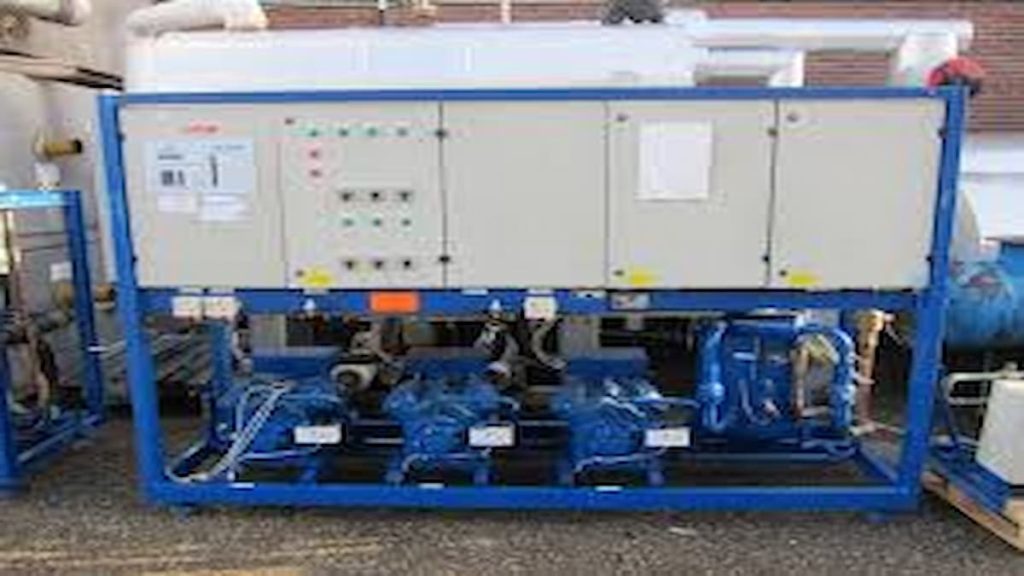
This is where water cooled chillers in India are commonly used. These systems are designed to handle large cooling loads and are widely preferred in industrial settings.
They are known for their efficiency and ability to perform well even in high temperature conditions. This makes them a reliable choice for industries across India, where climate conditions can affect cooling performance.
Water cooled chillers are used in sectors such as manufacturing, food processing, pharmaceuticals, and more. They help maintain controlled temperatures and support smooth day-to-day operations.
In this blog, we will explore the types of water cooled chillers, their uses, and the key factors to consider when choosing the right system.
What is a Water Cooled Chiller?
A water cooled chiller is a system used to remove heat from a process or space and maintain a controlled temperature.
Instead of using air to release heat, it uses water as the cooling medium. This makes it more efficient for large-scale and continuous operations.
How it works (simple explanation)
- The system absorbs heat from the process or equipment
- This heat is transferred to water inside the system
- The heated water is then cooled using a cooling tower
- The cycle repeats to maintain a steady temperature
Why is it widely used
Water cooled chillers are preferred in industrial setups because they:
- Handle high cooling loads with ease
- Provide stable and consistent performance
- Work efficiently in high ambient temperatures
Types of Water Cooled Chillers
Water cooled chillers are available in different types based on the technology used and the cooling requirements. Each type is suited for specific applications and load conditions.
- Scroll Chillers
A scroll chiller is commonly used for small- to medium-capacity applications. It is compact, easy to operate, and provides stable performance for continuous use.
These chillers are suitable for:
- Food processing units
- Small manufacturing setups
- Commercial cooling needs
They are known for their simple design and reliable operation.
- Screw Chillers
Screw chillers are designed for medium to large industrial applications. They can handle higher loads and are suitable for operations that require continuous cooling.
They are often used in:
- Large manufacturing plants
- Chemical industries
- Process cooling systems
These chillers offer better efficiency under varying load conditions.
- Centrifugal Chillers
Centrifugal chillers are used in very large facilities with high cooling demand. They are built for large-scale operations and provide high-capacity cooling.
They are typically found in:
- Large industrial plants
- Centralised HVAC systems
- Mega infrastructure projects
- Ammonia Chillers
Ammonia chillers are widely used in industrial refrigeration due to their efficiency and performance. They are suitable for applications that require strong and reliable cooling.
Many ammonia chiller manufacturers design these systems for industries like:
- Cold storage
- Food processing
- Large-scale refrigeration
They are known for energy efficiency and effective cooling in demanding conditions.
Key Benefits of Water Cooled Chillers
Water cooled chillers are widely preferred in industrial applications because they offer practical advantages in long-term operation.
- Higher efficiency
These systems use water for heat transfer, which is more effective than air. This allows them to deliver better cooling performance, especially in large-scale operations.
- Better performance in Indian conditions
In regions with high ambient temperatures, air-cooled systems may lose efficiency. This is where water cooled chillers in India are more reliable, as they maintain stable performance.
- Suitable for large cooling loads
They are designed to handle high and continuous cooling demands, making them ideal for industries with heavy operations.
- Lower operating cost over time
Although the initial setup may be higher, their energy efficiency helps reduce running costs in the long term.
- Longer lifespan
With proper maintenance, these systems tend to last longer and provide consistent performance over the years.
Applications of Water Cooled Chillers
Water-cooled chillers are used across multiple industries where temperature control is critical to operations and product quality.
- Food processing industry
They help maintain controlled temperatures during production, storage, and packaging, ensuring product quality and safety.
- Pharmaceutical industry
Accurate temperature control is important in manufacturing medicines, and these chillers help maintain stable conditions.
- Chemical industries
They are used to manage heat generated during chemical processes, helping maintain safe and efficient operations.
- Manufacturing plants
Machines and processes often generate heat, and chillers help in maintaining optimal working conditions.
- Commercial and HVAC systems
Large buildings and facilities use these systems for centralised cooling and temperature management.
Water Cooled vs Air Cooled Chillers
Both systems serve the same purpose, but their performance and suitability differ based on application and conditions.
| Factor | Water Cooled Chillers | Air Cooled Chillers |
| Efficiency | Higher efficiency, especially for large and continuous operations | Lower efficiency in high temperature conditions |
| Installation | Requires cooling tower and water system, so setup is more complex | Easier to install with fewer components |
| Cost | Higher initial cost but better long-term savings | Lower upfront cost but higher running cost over time |
| Maintenance | Needs regular maintenance of water system and cooling tower | Easier maintenance but frequent cleaning may be required |
| Best Use | Large industries and heavy-duty applications | Small to medium setups and limited cooling needs |
Factors to Consider Before Buying
Choosing the right chiller depends on understanding your specific cooling needs and operational conditions.
- Cooling capacity required
The system should match the cooling load of your application. An incorrect capacity can lead to poor performance or higher energy use.
- Space availability
Water-cooled chillers require space for additional components, such as cooling towers. Proper planning is needed before installation.
- Water availability
Since these systems depend on water for cooling, a reliable water source is necessary for smooth operation.
- Energy efficiency
Energy-efficient systems help reduce operational costs over time, especially in industries where chillers run continuously.
- Maintenance needs
Regular maintenance is important for long-term performance. Choosing systems that are easy to service can reduce downtime.
Working with experienced water cooled chiller suppliers helps select the right system based on application, site conditions, and long-term requirements.
Making the Right Cooling Choice for Long-Term Efficiency
Selecting the right cooling system is more than just comparing features. It directly affects how efficiently an operation runs, how much energy it consumes, and how consistent its output remains over time.
Water cooled chillers are often used in industry because they operate reliably even under tough conditions. When chosen wisely, they help keep processes reliable, reduce operational stress, and support long-term cost management.
Understanding the different types, their applications, and key factors to consider before buying makes the selection process more practical and less complex. It also helps avoid common issues like underperformance or unnecessary energy use.
Working with experienced water cooled chillers suppliers plays an important role in this process. Established companies like Refcon Chillers are known for offering solutions, such as scroll chiller systems, designed to meet specific industrial needs. Their approach focuses on delivering reliable cooling systems that align with operational requirements.
In industries with constant cooling needs, making the right choice helps operations run smoothly and improves efficiency.
Warning: Trying to access array offset on null in D:\INETPUB\VHOSTS\refconchillers.com\httpdocs\blog\wp-content\themes\metalsun\includes\content-single.php on line 259

Related posts


Our Mission
Our Mission is to identify and meet the customer demand for Refrigeration (Process Cooling) and Air Conditioning, Requirements with the standard of Excellence
Our Outlook
Our Outlook is to be rated among best players in the field for our ability to offer innovative & customized technical solutions